Published in Applied Animal Behaviour Science, the study examined reported behavioural differences between 14 purebred horse breeds. The researchers analysed information about 1,635 horses using E-BARQ, the Equine Behaviour Assessment and Research Questionnaire, a validated international tool designed to assess equine behaviour.
The results were particularly positive for the Icelandic horse.
Exceptional Qualities as a Riding Horse
Among the breeds included in the research, Icelandic horses received the highest reported scores for several important riding qualities.
They were reported as:
- The safest horses to ride
- The easiest to ride
- The easiest to stop
- The least likely to resist moving forward or stall
These are qualities that matter to riders everywhere, but they are especially valuable when travelling across Iceland’s varied terrain, from open countryside and black-sand beaches to remote highland trails.
Brave, Approachable and Confident
The Icelandic horse also performed exceptionally well away from the saddle.
According to the study, Icelandic horses were reported as the most approachable breed and showed particularly high confidence when encountering unfamiliar objects and other animals. They also demonstrated a high tolerance for physical contact, including activities such as saddling.
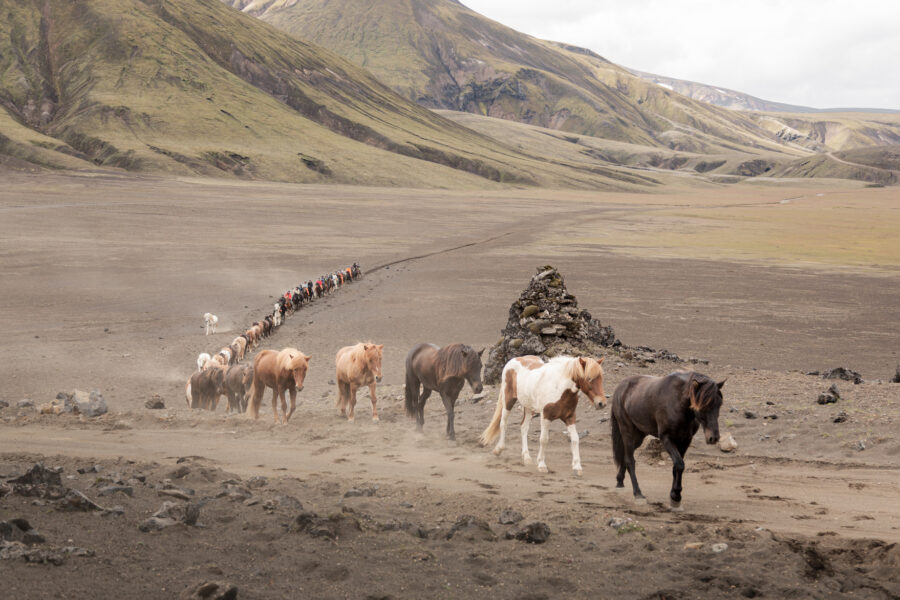
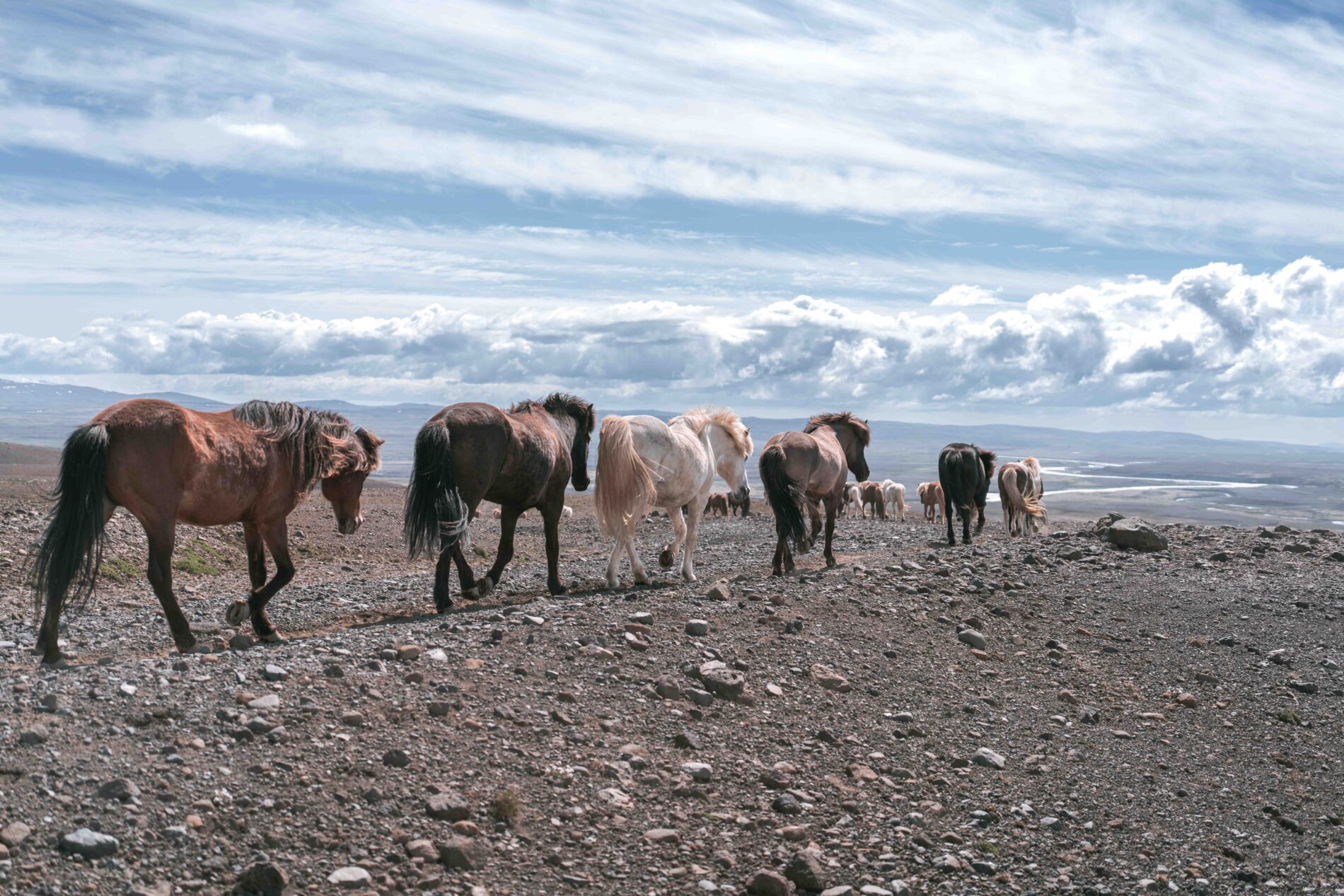
This confidence and willingness may be connected to the breed’s long history in Iceland. For centuries, Icelandic horses were bred to carry people safely across rivers, mountains and difficult terrain. Reliability, courage and cooperation were not simply desirable characteristics; they were essential.
More Than a Breed: Training and Trust Matter
The research was based on reports from owners and carers rather than direct behavioural testing. Individual horses will always differ, and their behaviour is also shaped by training, handling, management and previous experiences.
At Íslandshestar, choosing the right horse for each rider is therefore an important part of every tour. Our farmers breed, train and care for their horses, allowing them to understand each horse’s character, experience and abilities.
A confident rider may be matched with an energetic and forward-going horse, while another guest may feel more comfortable with a steady and experienced partner. Creating the right match helps build trust and allows both horse and rider to enjoy the journey.
Experience the Icelandic Horse in Its Homeland
Statistics can tell us something about the Icelandic horse, but the real experience begins in the saddle.
It can be felt while tölting along a quiet country trail, crossing an open landscape with a free-running herd or travelling along paths used by Icelandic farmers for generations. The horse’s strength, character and smooth gaits offer a special way to connect with Icelandic nature.
The study may provide scientific support for the Icelandic horse’s qualities, but for many riders, the feeling is already familiar: a small but powerful horse that is brave, capable and full of personality.
Come and experience the Icelandic horse in the landscape that shaped it.
Discover our riding tours in Iceland.
The study, “Owner-reported breed differences in the behaviour of ridden horses,” was published in Applied Animal Behaviour Science in 2025. It analysed owner-reported behaviour from 1,635 horses representing 14 breeds. Read more here: https://www.sciencedirect.com/science/article/pii/S0168159125000541?via%3Dihub