The Icelandic horse arrived with the first settlers during the Viking Age in the 9th and 10th centuries. The founding horses were most likely brought mainly from western Norway, although the settlers themselves came from several regions around the North Atlantic. Over time these horses developed in isolation in Iceland, with no outside influence on the breed. This isolation allowed the Icelandic horse to retain its unique characteristics for more than a thousand years.
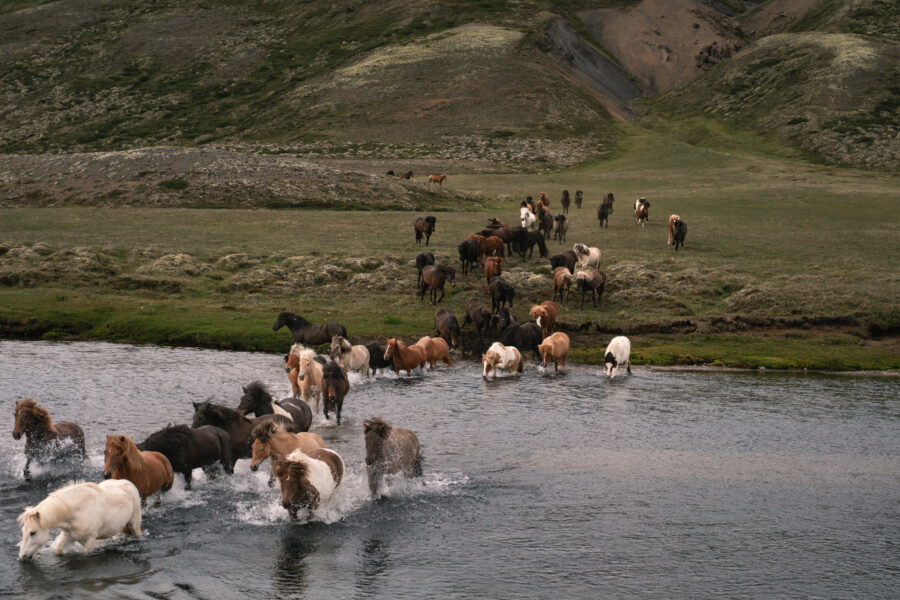
In early Icelandic society the horse was essential. Travel across the island was extremely difficult because there were almost no roads and the wheel was rarely used for transport. Horses carried people, food, and supplies across rivers, mountains, and lava fields. Without them it would have been nearly impossible to travel between farms or move goods across the country. The horse was therefore one of the most valuable animals in Icelandic farming life.
Horse breeding was practiced from the earliest centuries of settlement. Historical accounts show that chieftains during the saga age took great pride in owning and breeding outstanding horses. Strong, well built horses with good movement and stamina were highly valued.
Interest in improving the breed grew during the late eighteenth and early nineteenth centuries. In 1788, Ólafur Stephensen encouraged Icelanders to improve their horses through careful selection and breeding. Later, in 1825, Magnús Stephensen wrote about how breeding should focus on selecting the best stallions and mares with strong conformation, good movement, strong hooves, and reliable temperament. These early discussions helped lay the foundation for the breeding principles that later shaped Icelandic horse breeding.
More organized breeding began in the late nineteenth century. In 1879 one of the first official decisions regarding livestock breeding was made in Skagafjörður. Soon after, a livestock exhibition was held at Reynistaðarétt in 1880 where horses were among the animals shown. These early exhibitions helped encourage farmers to improve the quality of their horses.
The development of horse breeding organizations soon followed. The Icelandic Agricultural Society was founded in 1899 and played an important role in guiding breeding work across the country. In 1904 the first horse breeding association, Hrossaræktarfélag Austur-Landeyja, was established. These organizations helped create a more coordinated approach to breeding and evaluating horses.
Horse shows and competitions gradually became important tools for improving the breed. One of the early official horse shows organized by the Agricultural Society took place in Þjórsártún in 1906. Over time horse shows evolved into local, regional, and national breeding exhibitions where horses were evaluated for their conformation, movement, and riding qualities.
During the twentieth century several organizations played a key role in shaping Icelandic horse culture. The Icelandic National Federation of Riding Clubs (Landssamband hestamannafélaga) was founded in 1949, helping develop riding sports and competitions. Professional trainers formed their own association in 1970, and horse breeding organizations continued to evolve and collaborate.
As agriculture modernized and tractors and vehicles became common, the practical role of the horse in farming declined. However, the Icelandic horse did not disappear from Icelandic life. Instead, riding culture flourished. Recreational riding, competitions, and horse tourism became increasingly popular, and the Icelandic horse gained recognition around the world.
Modern breeding has also benefited from detailed record keeping. The first official stallion book for Icelandic horses was established in 1923. Later, systems for identifying and recording horses became increasingly sophisticated. A unique identification number system for horses was introduced in 1987, and the database system known as Fengur was launched in 1991, eventually developing into WorldFengur, the international registry for Icelandic horses.
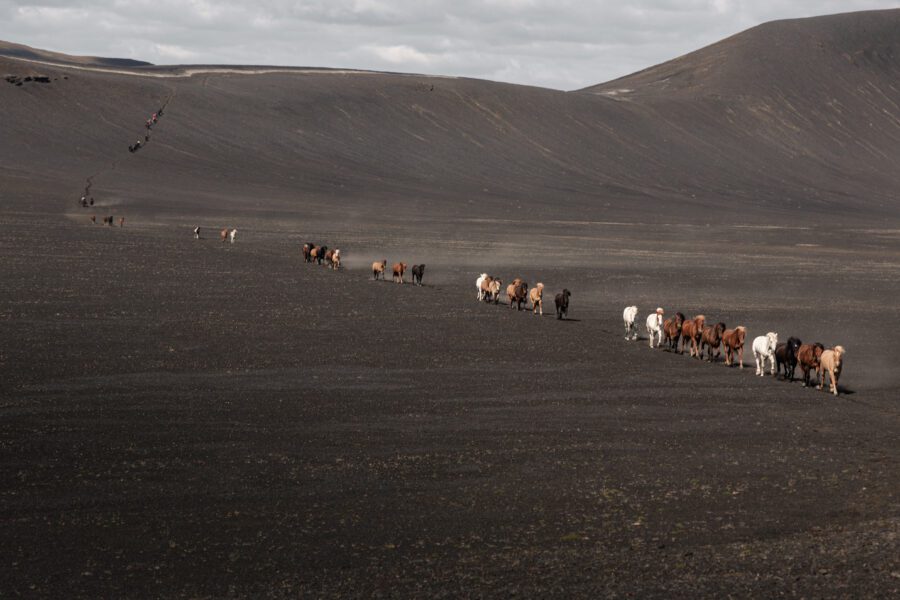
Today, visitors riding through Iceland’s landscapes are experiencing something deeply rooted in the country’s history. When riders follow mountain paths, cross rivers, or ride across open valleys, they are traveling in much the same way people did for centuries before modern roads existed.
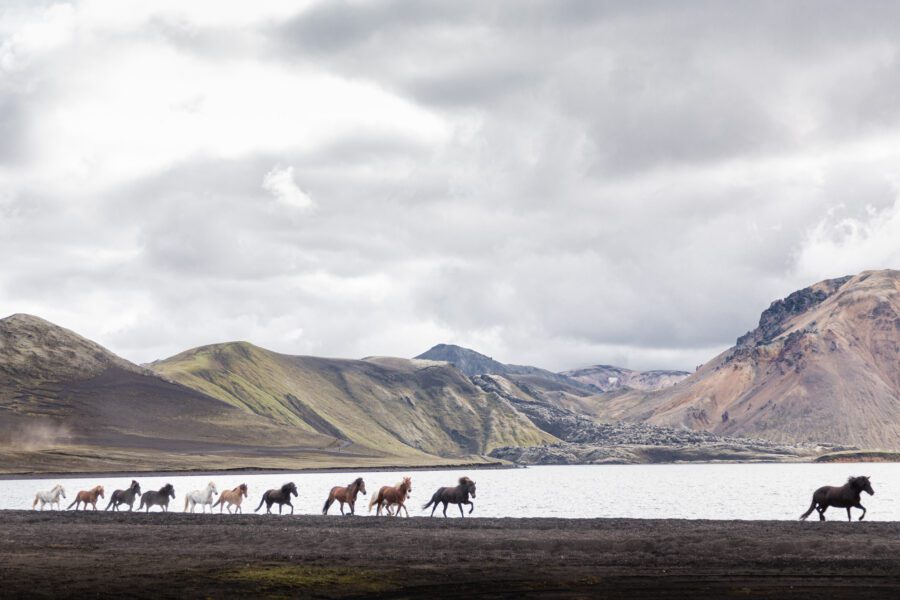
The Icelandic horse remains one of Iceland’s most important cultural symbols. Known for its strength, intelligence, and unique gait the smooth tölt, the breed has earned admiration from riders around the world.